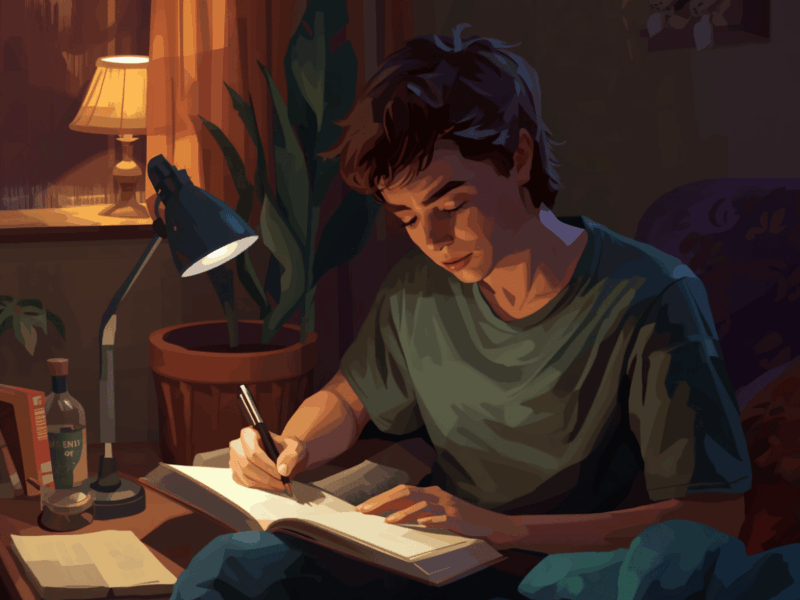
In recent years, journalists and researchers alike have explored the profound impact of writing as a creative hobby. A recent article in The Independent discussed how writing can “rewire” the brain and build psychological resilience, a sentiment that aligns perfectly with the craft’s restorative power.
Writing is perhaps the ultimate hobby for the human mind. Throughout history, we have seen how the written word has shaped our world, but on an individual level, its impact is even more personal.
Table of Contents
What does writing do?
Writing as a creative hobby is a cognitive requirement for improving one’s mental well-being. It allows one to express their thoughts freely, organise ideas, reduce stress, and bring clarity to the mind. It encourages deeper self-understanding and reflection on past experiences, while fostering personal growth, self-awareness, and confidence. Writing can shift the mental state from overwhelmed to despair to a grounded clarity, says the writer/author Emily Ronay Johnston, who holds a PhD in English studies, a Graduate certificate in Women’s and Gender Studies from Illinois State University, and an MFA in creative writing from the University of Alaska.
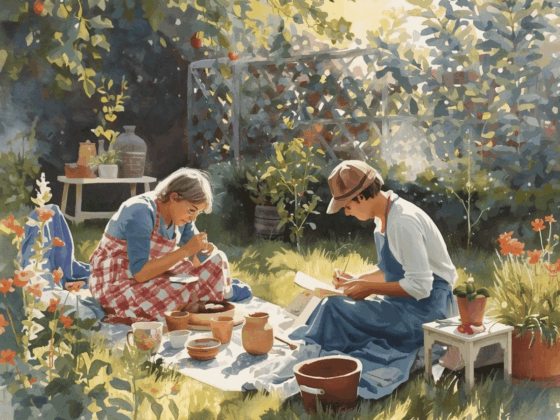
Handwriting journals of daily lifestyles by adding pictures and drawings would benefit psychologically. The practise of creative writing can help the brain function better, improve mood, support self-understanding, and reduce loneliness. Also, it helps to connect with more people, says Pamela B. Rutledge PHD, MBA.
To illustrate: over the past many years, many influential public figures we admire today have used writing as a creative hobby to explore ideas and better understand themselves, without realising the long-term impact of their work. One well-known example would be Anne Frank, a Dutch Jewish girl who started writing a diary when Jews were being persecuted. She did enjoy writing, but Most of her writing started while hiding from Nazi. Although she wrote as a personal outlet, her work later became one of the most significant historical accounts of the modern era.

Teen age Anne Frank, a young girl known for her diary written during World War II
Another example is Leonardo da Vinci (the famous painter of the Last Supper), often known as a polymath with multiple talents. While not a diarist in the same sense, he filled thousands of pages with notes, sketches, and ideas. His writing enabled him to generate new insights and deepen his understanding across multiple fields.
How to Develop Writing as a Creative Hobby?
You do need a basic understanding of academic skills, which we all must have acquired in school. However, you do not need a college degree to improve your writing skills.
Writing is a constantly learning process; the more you learn, the better you get. If you are looking to build writing skills, then you must develop certain healthy habits. Even in the age of AI, where most people rely heavily on it for writing, it still requires basic academic writing skills. AI will help you a lot with writing, but fully relying on it can get you down a rabbit hole, as it can provide vague information. The writing lacks human emotions.
Reading
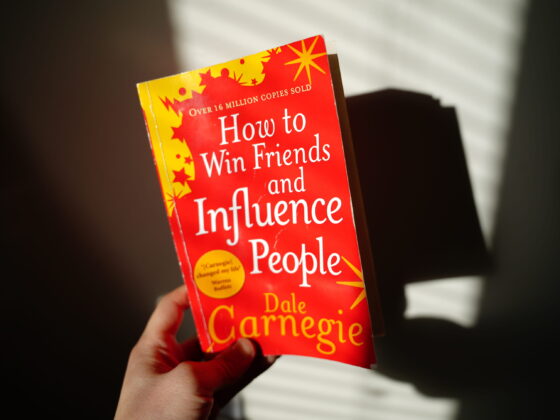
Well, a writer is constantly reading articles and books, from which you’ll learn the writing technique without realising it. You are inspired to write the same way you read. Just as people adopt habits from those they spend time with without realising it, you get inspired by the people you hang out with.
JK Rowling encourages people to read as wide a variety of publishers as possible if they want to become a successful writer. Reading great articles that interest you is also good; even reading comic books can contribute to improving writing skills.
Writing
Secondly, you must actively engage in writing as a creative hobby, whether on paper, on a computer, or through social media. Make sure to track your progress with different experiments. Upload images to enhance the creativity and make it look more appealing. Learn to write them in a conversational tone, similar to how you speak, to make your writing more engaging. Writing has never been easier thanks to AI on social media, which automatically corrects what you are trying to say. As I’ve already said, do not rely too much, especially during the research; it can lead to vague information.
Along the way, you will get many people making positive or negative judgments on your work. It’s up to you how you take it, but keep up the good work.
Listerning
Listening plays a major role in writing as a creative hobby. By listening carefully to others’ weather in conversation, audio, lecture or content, we learn new vocabulary, sentence structure and ways of expressing ideas. At the same time, it helps understand tone, clarity, and how thoughts are organised when spoken, which can be applied to writing.
Listen to any well-spoken person you look up to. There are many well-spoken podcast hosts. One good example would be Steven Barlette, whom I admire a lot. Or it can be anyone whose speaking you admire can help you write more logically. It does not have to be someone who runs the podcasts, but any good speaker is also a good writer because they have to write well before they can deliver their speech.
Make daily notes
It is best not to rely on memory; instead, make a habit of taking daily notes to improve recall. Simple note-taking can save a lot of time and energy. Whenever an idea comes to mind, make sure to write it down quickly before memory evaporates, as thoughts can appear at any time. Making notes every day like that, you’ll start noticing every emotion and experience that can be turned later into writing as a creative hobby.
You may also note down interesting phrases, words or ideas that you would like to use in your writing later. These collected notes become valuable when starting to write an article, as they can provide ready material to support and develop ideas.
Conclusion
Writing as a creative hobby is more than just an academic task, as we have explored throughout this article; it rather helps you mentally organise your thoughts, build resilience, and develop personally, you name it. From private diaries of Annie Frank to the visionary sketches of Leonardo da Vinci, history shows us that putting thoughts to paper is an ultimately unique human way to survive and thrive.
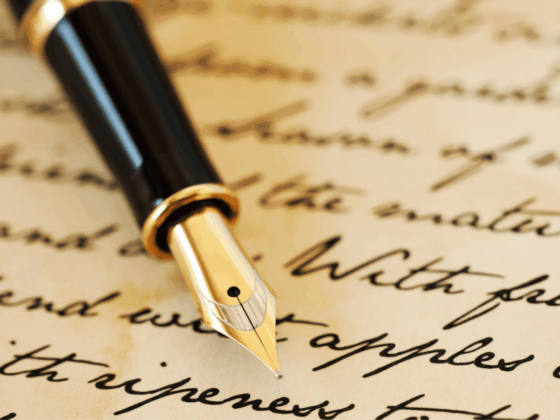
In today’s AI-driven world, writing has become much easier. The challenge is that it lacks human emotion, but if used properly, it can actually support your writing with greater creativity. Also, by reading widely, listening closely, and documenting your daily life, you aren’t just building a hobby, but you are rewiring your brain for resilience. The next time you feel overwhelmed, remember that the solution might just be waiting at the tip of your pen.