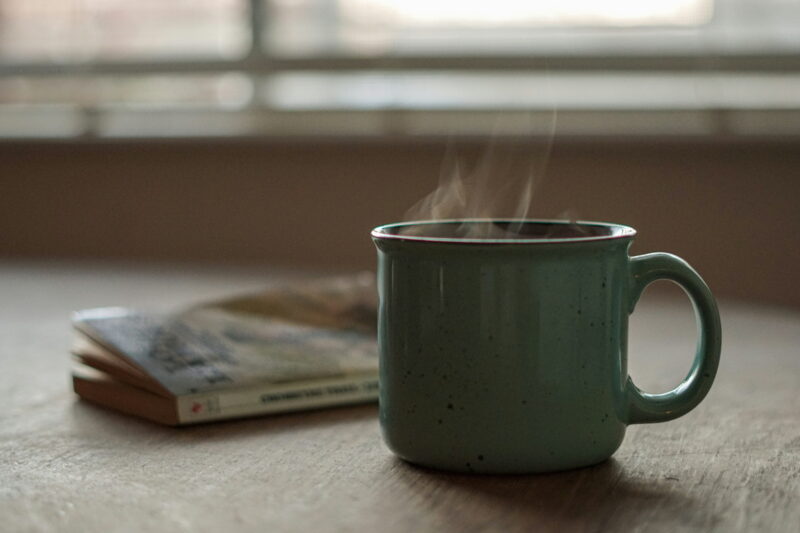
Many of you might be wondering what minimalism actually means as a lifestyle, or whether it is simply another passing trend limited to art, design, and neatly arranged living spaces. At first glance, it may seem like little more than an aesthetic preference. Yet the deeper you explore the concept, the more you begin to realise that minimalism extends far beyond visual simplicity and can quietly evolve into your way of life.
If you search for the meaning of minimalism in the Cambridge Dictionary, you will find this definition:
A style in art, design, and theatre that uses the smallest range of materials and colours possible, and only elementary shapes or forms.
For those unfamiliar with the concept, this definition may sound as though it belongs solely to galleries or interior design magazines. But as you look more closely, it becomes clear that minimalism extends far beyond aesthetics.
The idea of a modern minimalist lifestyle is rather intriguing.
Once you grasp its essence, you begin to notice how effortlessly it weaves itself into everyday life. There is no fixed path or strict set of rules to follow. Everyone interprets and practices it in their own way.
Living this way, almost by accident, has taught me a few lessons I’d like to share.
Table of Contents
Form of Freedom
Modern minimalism offers a subtle yet powerful sense of freedom. But what does that really mean?
When you remove what is unnecessary and keep only what genuinely adds value, your attention naturally shifts to what truly matters.
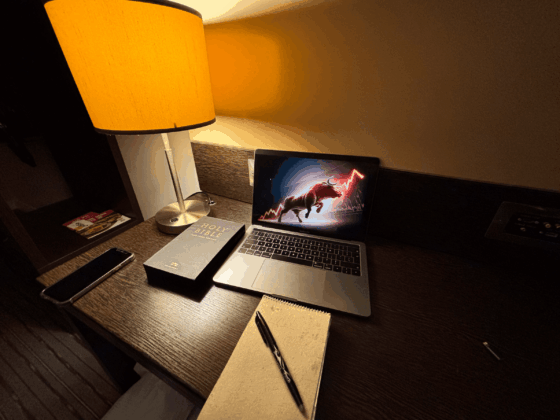
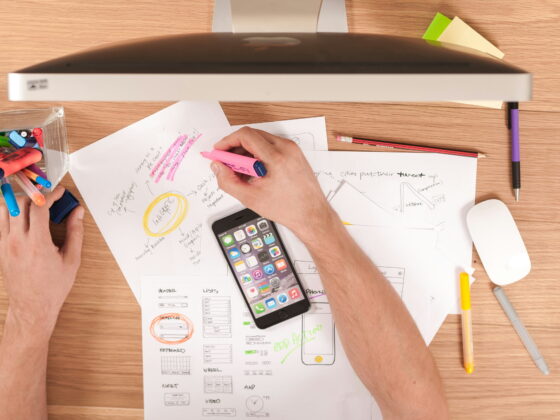
For example, while writing this article, I made sure my desk was free of scattered papers and visual clutter. I did the same with my laptop; I closed unused tabs so my thoughts could flow without distraction.
Had I done the opposite, finishing this piece would have felt unnecessarily exhausting.
The founders of The Minimalists, Ryan Nicodemus and Joshua Fields Millburn, often speak about this mental shift. Ryan realised that relentlessly climbing the corporate ladder in pursuit of wealth was never his true ambition. Joshua, on the other hand, discovered during a difficult period of his life that impulsive buying brought no lasting happiness.
Jim Carrey once captured this idea perfectly:

“I wish everyone could be rich and famous so they could realise it’s not the answer.”
Not a Destination, but a Process
One of the most common misconceptions about minimalism is that it represents a final destination, a point where you own “just enough” and never accumulate anything again.
In reality, minimalism is better understood as an ongoing process.
Even those who value simplicity occasionally make impulsive purchases or hold on to things that later prove unnecessary. The key is not perfection, but awareness.
When that happens, I return to decluttering. Think of it as a gentle “one in, one out” system, a continuous recalibration rather than a rigid rule. Tiny habits like this, repeated over time, slowly reshape the way you live.
Quality Over Quantity
I have a small circle of friends, and they all know that I live a minimalist lifestyle. Not because I make a point of announcing it, but because it shows in subtle ways.
I don’t own fancy cars, the latest gadgets, or wardrobes bursting with unused clothes. That doesn’t mean I live without comfort. It simply means I choose to own only what I can care for properly and use with intention.
Modern minimalism does not promote deprivation or extreme restraint. Instead, it encourages thoughtful ownership and conscious living.
In a world driven by instant gratification, material possessions are often presented as the shortcut to happiness. But before bringing something new into my life, I pause and ask myself: Will this truly serve a purpose?
If the answer is no, I let it go. If I genuinely need it, I wait, allowing the decision to mature rather than acting on impulse.
That single habit has brought more mental peace than any spontaneous purchase ever could.





1 comment