More and more people today are embracing a minimalist, sustainable lifestyle. Many individuals are becoming increasingly intentional about their wants, their needs, and how they use their purchasing power. Over time, this growing awareness has played a major role in the rising popularity of minimalism.
In our daily lives, we engage in countless activities. Some we do for a living, while others we do simply for enjoyment or leisure. But how many of these truly add real value to our lives? In today’s fast-paced consumer culture, the answer is not always clear. The modern world constantly encourages us to buy more, upgrade frequently, and measure success by the number of possessions we accumulate. This pressure can make it difficult to distinguish between what we truly need and what we have been conditioned to want.
Understanding a minimalist sustainable lifestyle helps prioritise what truly matters. With this in mind, I decided to explore the idea of a minimalist, sustainable lifestyle more deeply and understand why living with less can sometimes lead to a more meaningful experience.
Table of Contents
Why Less Really Can Mean More?
This subheading can easily be misunderstood. Some people might assume that a minimalist lifestyle means giving up everything or living without the things needed for daily life. In real life, minimalism is not about deprivation. Instead, it simply encourages people to remove what does not add real value to their own lives. You can still own the things you need for your day-to-day activities, but the focus shifts toward being more intentional about what you keep. If something does not serve a clear purpose or improve your life in a meaningful way, it may be worth reconsidering whether it should remain.
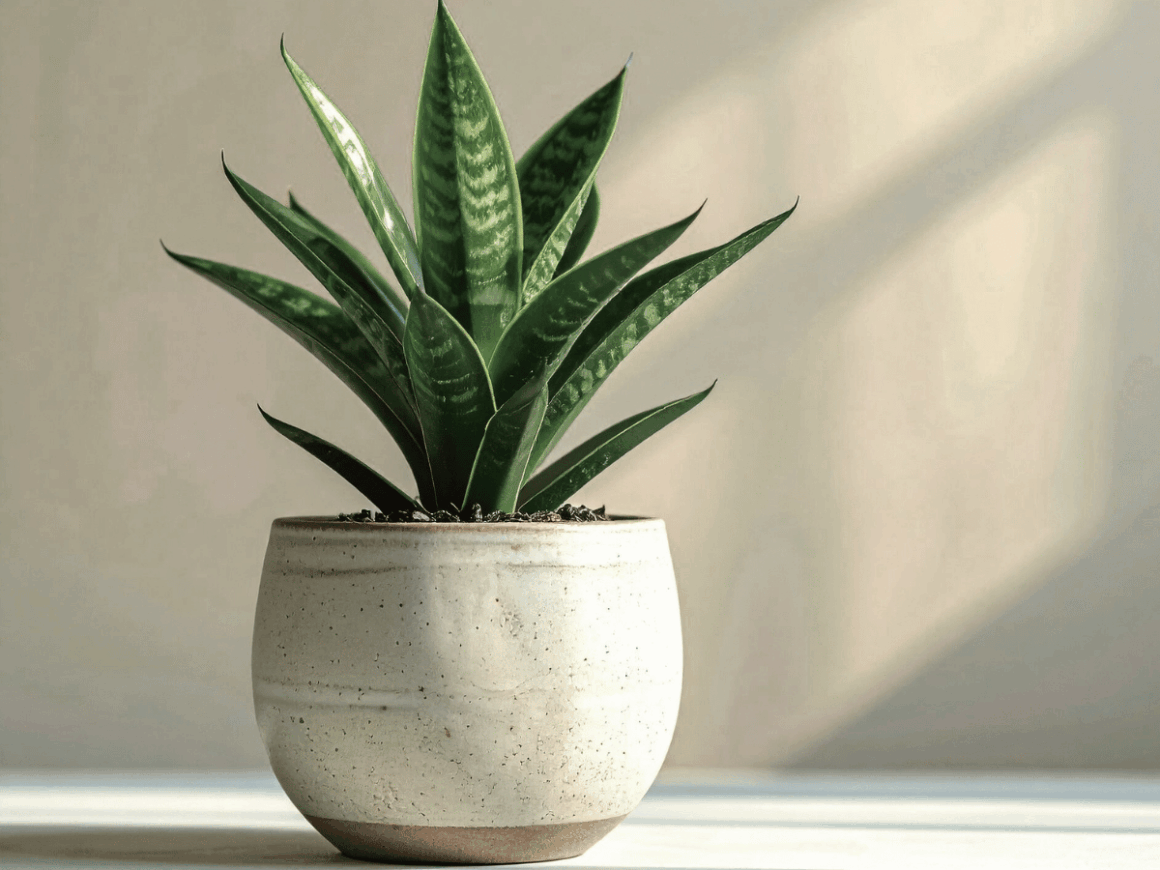
HOME SNAKE PLANT – £15.99 Amazon.co.uk
At first glance, the idea that having less can actually mean having more might sound contradictory. Many people grow up believing that happiness comes from owning more possessions, earning more money, and constantly upgrading their lifestyles. Also, part of this behaviour is linked to dopamine, the brain chemical associated with quick pleasure and reward. Buying something new can create a short burst of excitement, but the feeling does not last long. With that in mind, More and more people are beginning to challenge this cycle by focusing less on temporary satisfaction and more on long-term well-being, meaningful experiences, and a more intentional way of living.
Cutting Down on Compulsive Buying?
One of the biggest challenges in modern consumer culture is compulsive buying. Advertisements on social media and constant exposure to new products can make it easy to fall into the habit of purchasing things we do not actually need. People often show off their new items, which can encourage others to buy the same things. That is where many people struggle to decide whether the item is necessary in the first place.
However, this post aims to encourage more people to be mindful in their purchasing decisions. Instead of buying items on impulse, minimalists take the time to consider whether a product is truly necessary or if it will genuinely add value to their lives. In this way, a shift in mindset can significantly reduce waste. If you truly need it, you will still buy it; if it is simply a want, you will not.
Even when we carefully consider our purchases, some items still end up unused or discarded after a short time. By cutting down on compulsive buying, individuals can reduce clutter in their homes and lower their environmental footprint. Over time, this approach leads to more thoughtful consumption. People begin to prioritise durable, high-quality items that last longer rather than frequently replacing cheap products.
Letting Go of Excess: Practising the One-In, One-Out Rule
A key element of a minimalist lifestyle is learning to let go of items that no longer serve a purpose. One popular approach is the “one in, one out” rule. The idea is simple: whenever you bring a new item into your home, you remove an existing one. For instance, if you buy a new shirt, you donate or discard an older one. This habit prevents clutter from slowly building up and encourages you to think more carefully before making a purchase. That is the concept behind the one-in, one-out rule, but in reality, if a possession does not serve your needs, it can be removed at any time.

Practising this rule also helps you develop a healthier relationship with your belongings. Instead of constantly accumulating more, you begin to focus on keeping only what truly adds value to your life. Over time, letting go becomes easier, and your home remains more organised and intentional. Items you no longer need can be donated, reused, or recycled rather than thrown away.
Becoming Financially Better Off by Owning Less
One of the most practical benefits of minimalism is improved financial well-being. When people stop buying unnecessary items, they naturally spend less money, and if they invest wisely, they can build greater financial stability over time.
A minimalist sustainable lifestyle encourages individuals to evaluate their spending habits and prioritise purchases that genuinely matter. Instead of constantly chasing new products, people can focus on saving, investing, or spending on experiences that bring long-term satisfaction.
Owning fewer possessions also reduces many hidden costs associated with consumerism. Maintenance, storage, and replacement costs can quickly add up when households accumulate large numbers of items. By simplifying their lifestyles, many minimalists discover that they can achieve financial freedom more easily. Reduced spending can lead to lower stress, fewer financial obligations, and greater flexibility in making life choices.
How Owning Less Improves Mental Health
Clutter and excessive possessions can have a surprising impact on mental well-being. When you move through every room of a house filled with unnecessary items, it can quickly feel overwhelming. A home filled with unnecessary belongings can create a sense of chaos, making it harder to focus or relax.
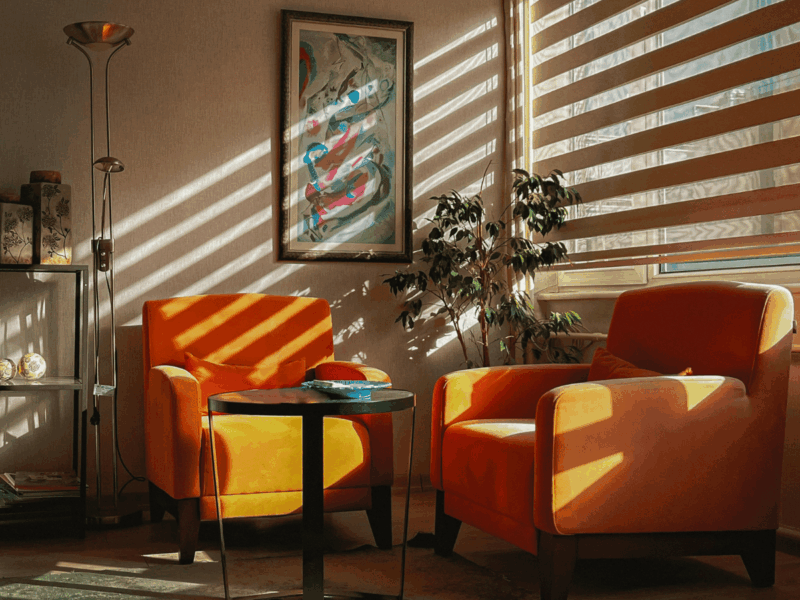
However, when people remove items that no longer serve a purpose, their living spaces become more functional and peaceful. This simplified environment can help reduce stress and improve concentration. With fewer distractions, it becomes easier to focus on important tasks, enjoy downtime, and maintain a sense of balance.
Additionally, letting go of unnecessary possessions can create a feeling of relief. Many people report feeling lighter and more in control of their lives after decluttering their homes.
Ultimately, a minimalist sustainable lifestyle is not about deprivation. Instead, it is about creating space for what truly matters, whether that means personal well-being, meaningful relationships, or a deeper connection with the world around us.