It was around 2019 when I noticed a friend consistently posting on social media about how much money he was making online. At first, I thought he was trying to flex on the internet just like many people do, but the more he shared, the more curious I became. Eventually, I asked him directly what he was doing, and that’s when I was introduced to Affiliate Marketing.
He broke down how the model works, how brands collaborate with creators, and how commissions are earned through shared links. Theoretically, affiliate marketing is often described as a form of passive income. However, in reality, though, it’s a little more complicated than that. How passive is it really? Do people who buy through affiliate links pay extra? And is Amazon Affiliate Marketing actually worth the effort?
These are the questions I get asked most often, and in this article, I’ll try to answer them honestly based on my own experience.
Table of Contents
What Is Affiliate Marketing?
At its core, affiliate marketing is quite simple. As a blogger or content creator/writer, you promote a product or service from a company. When someone from your audience clicks on your unique affiliate link and makes a purchase, you earn a commission.
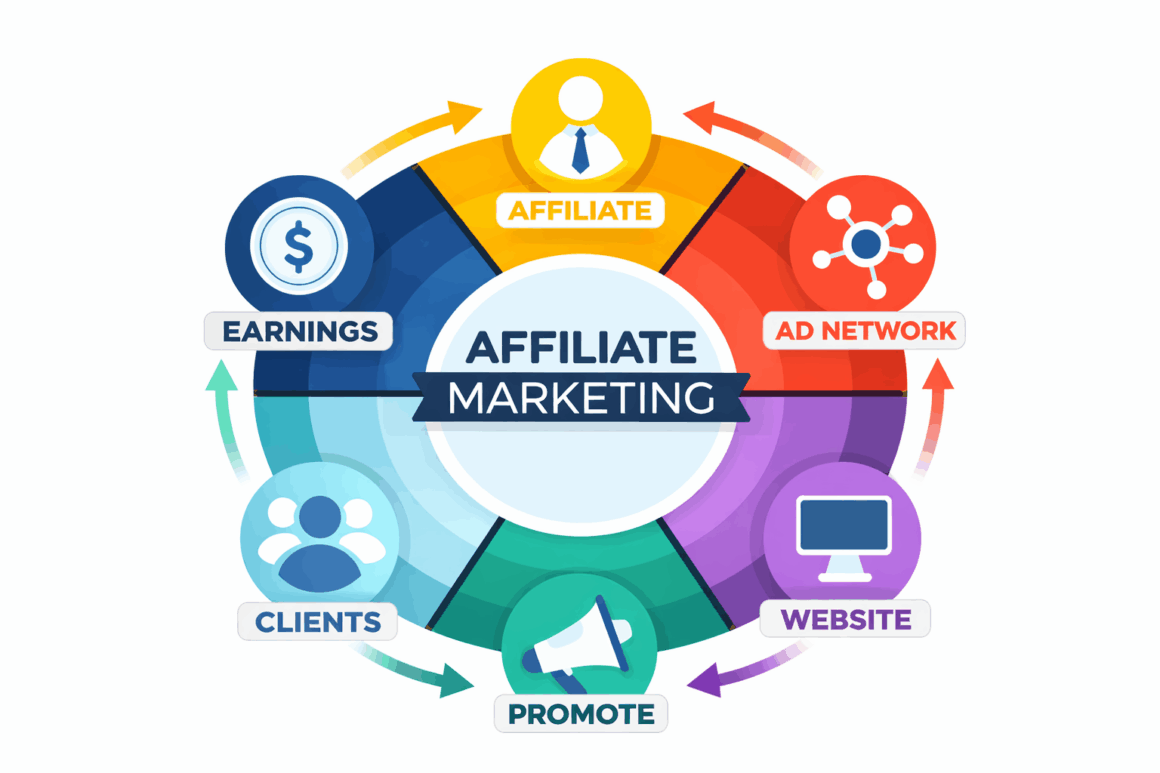
To put it in everyday terms: I recommend a product I genuinely like or find useful. You click the link, buy the product, and the company rewards me with a small percentage of the sale. Bloggers, YouTubers, podcasters, and social media influencers widely use this model.
Do Buyers Pay Extra Through Affiliate Links?
This is one of the biggest misconceptions going around, and the answer is NO. If you buy a product through my affiliate link, you pay the same price as if you had searched for it yourself. The commission (the commission percentage varies by product) comes from the company’s marketing budget, not your pocket.
So if you were planning to buy the product anyway, why don’t you use an affiliate link? It is simply a way to support a creator you trust at no extra cost to you.
Personally, I use Amazon Affiliate Marketing because Amazon already has massive trust, a vast product range, and a smooth buying experience. That makes it easier for both creators and audiences.
Affiliate Marketing as a Lifestyle Side Income
For content creators/writers, affiliate marketing can be a brilliant way to generate additional income alongside vlogging, blogging, YouTube, or social media. It can fit naturally into lifestyle content, product reviews, tutorials, recommendations, or even everyday routines.
With that said, it’s not a “get rich quick” scheme. It works best when paired with consistency, honesty, and content that genuinely helps people make decisions.
Is Affiliate Marketing Really Passive?
This is where expectations often clash with reality. When I first joined the Amazon affiliate marketing program, I made a classic beginner mistake; I started asking friends and people I knew to buy through my links. I knew this wasn’t the right approach, but I tried it anyway, just to see how it would go.
Not long after, I began creating vlog content, and that’s when the constant work happening behind the scenes really hit me. It became exhausting, and at times felt awkward, which made me realise it wasn’t as sustainable as I had imagined. Because of that workload, I stepped away from affiliate marketing for a while. It was far from the effortless process I had pictured.

The real model of affiliate marketing relies heavily on content such as blog posts, videos, guides, and reviews that continue to attract readers over time. While affiliate income can eventually become semi-passive, it still requires consistent effort behind the scenes, such as writing, optimising content, updating links, learning SEO, and building trust. There’s a lot involved. That said, I’ve been learning these skills gradually, and that’s why I’m here again, giving it another go.
Is It Worth It?
So, is affiliate marketing worth it?
If you’re willing to stay involved, learn the process, and play the long game, yes, it can be. It takes time, patience, and practice. Some people get lucky and see rapid growth, but for most, it requires consistency and improving slowly over time.
If you enjoy creating content and don’t mind working quietly in the background before seeing results, affiliate marketing, especially Amazon affiliate marketing, can become a meaningful part of your income strategy.